What Vaccinations Does a Dachshund Need?
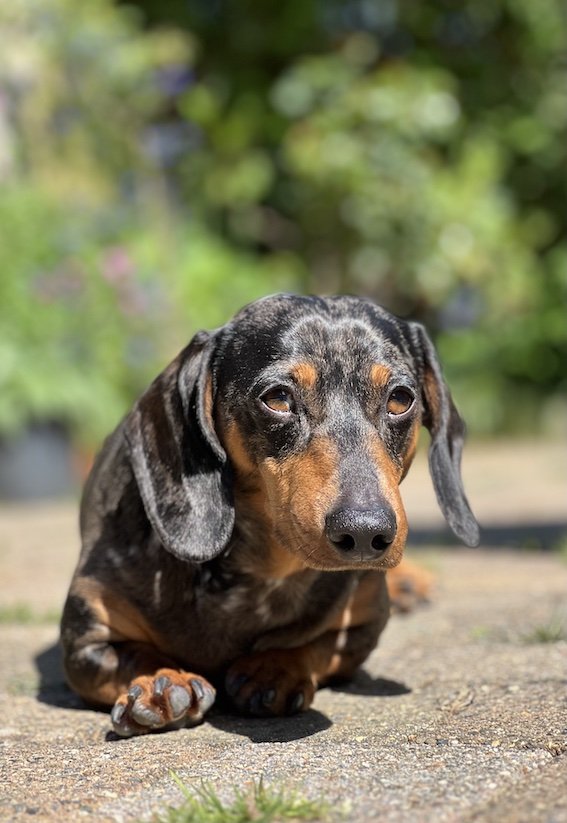
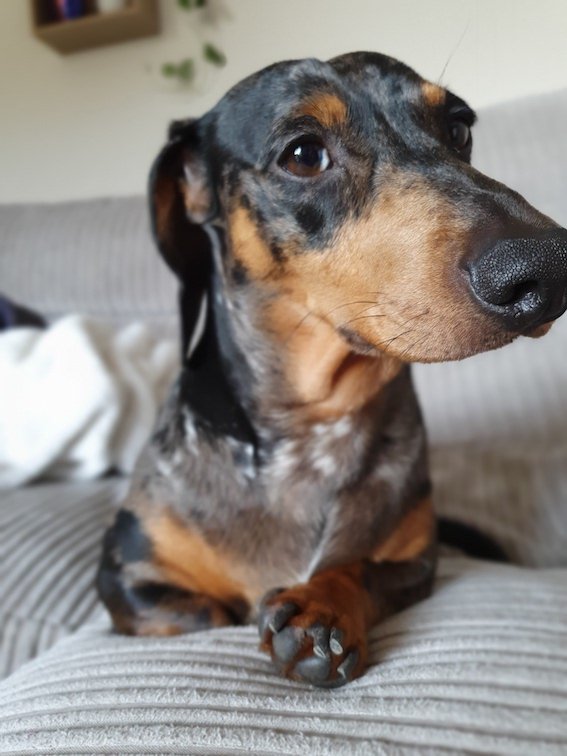
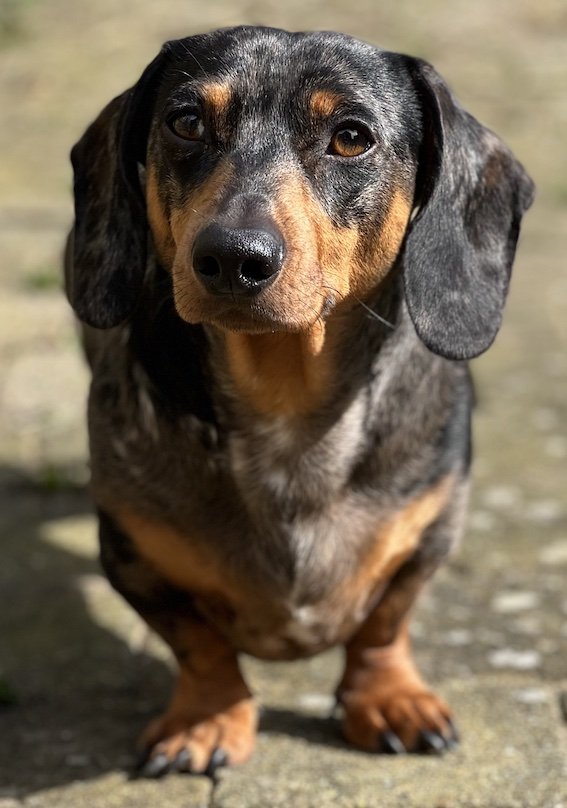
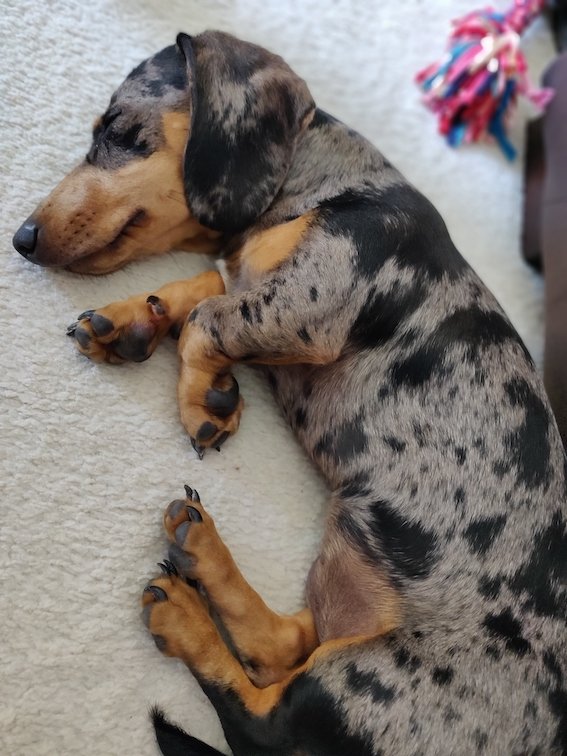
When we first brought Rocky home, vaccinations were one of the first things we needed to sort out with our vet.
Like most puppies, he’d already started his vaccinations before coming to us, but he needed to complete his initial course before he could safely start exploring properly.
So, what vaccinations does a dachshund actually need?
Dachshunds don’t require a special set of vaccinations because of their breed. In the UK, dogs are routinely vaccinated against four important diseases: parvovirus, canine distemper, infectious canine hepatitis and leptospirosis.
Depending on your dog’s lifestyle, they may also need vaccinations against kennel cough and rabies.
Your vet will recommend the appropriate vaccination schedule for your individual dog, so use this as an overview rather than a replacement for their advice.
What are dachshunds routinely vaccinated against in the UK?
Parvovirus
Canine parvovirus – usually shortened to parvo – is a highly contagious viral disease.
It can cause severe vomiting and diarrhoea and is particularly dangerous for young, unvaccinated puppies.
The virus can also survive in the environment, so a dog doesn’t necessarily need direct contact with an infected dog to be exposed to it.
Vaccination is the best way to protect your dachshund.
Canine distemper
Distemper is another serious viral disease.
It can affect several parts of a dog’s body, including the respiratory, digestive and nervous systems, and severe cases can be fatal or leave dogs with lasting neurological problems.
Vaccination has made distemper much less common in the UK than it once was, but that doesn’t mean the disease has disappeared.
Infectious canine hepatitis
Infectious canine hepatitis is caused by canine adenovirus.
It can affect the liver and other organs and ranges from relatively mild illness to severe, potentially fatal disease.
Again, routine vaccination provides protection against it.
Leptospirosis
Leptospirosis is slightly different because it’s caused by bacteria rather than a virus.
It can cause serious damage to organs including the liver and kidneys and can be fatal.
It’s also zoonotic, which means it can pass between animals and humans. In people, leptospirosis is commonly known as Weil’s disease.
Dogs can be exposed through infected urine and contaminated environments, including water and soil.
Unlike some of the viral vaccines, protection against leptospirosis generally requires annual vaccination.

When should a dachshund puppy have its vaccinations?
Puppies normally begin their primary vaccination course when they’re still very young.
The exact schedule can vary depending on the vaccines your vet uses and your puppy’s individual circumstances.
As a general guide, puppy vaccination commonly starts at around six to eight weeks old, with further vaccination given a few weeks later. Some puppies may require an additional dose.
If you’re buying a dachshund puppy from a breeder, ask exactly which vaccinations they’ve already received and get the vaccination record to take to your own vet.
Don’t assume that because your puppy has had one injection they’re fully protected.
Your vet can tell you what they still need and when it’s safe for them to start walking in public places.
When can my dachshund puppy go outside?
This was obviously one of the things we were keen to know with Rocky. You bring home a puppy and naturally want to start showing them the world.
Unfortunately, vaccination protection isn’t immediate.
Exactly when your puppy can safely go for normal walks depends on the vaccination course they’ve received and the products your vet uses.
So rather than relying on a fixed number of days you’ve read online, ask your vet when your puppy is protected enough to go on the ground in public places.
That doesn’t mean your puppy needs to spend those early weeks completely isolated.
You can still introduce them safely to different sights, sounds, people and environments – for example by carrying them – while following your vet’s advice about infection risk.
That’s useful because those early experiences are also an important part of socialisation.
Does my dachshund need vaccinations every year?
Your dachshund should have regular vaccination reviews throughout their life, but that doesn’t necessarily mean they receive every vaccine every year.
In the UK, leptospirosis vaccination is generally given annually.
Vaccination against distemper, parvovirus and infectious hepatitis is commonly required less frequently after the initial course and first booster – often every three years.
The exact schedule depends on the vaccine being used and your dog’s circumstances, so check your dog’s vaccination record and follow your vet’s recommendation.
This is one reason the phrase “annual booster” can be slightly misleading. Your dog may attend a vaccination appointment every year without receiving exactly the same injections each time.
Does my dachshund need the kennel cough vaccine?
Not necessarily every dog, but plenty will benefit from it.
Kennel cough is the general name given to an infectious respiratory disease that can spread quickly where dogs mix closely together.
The vaccine may be recommended if your dachshund regularly spends time around other dogs, and it’s commonly required by:
- Boarding kennels
- Doggy daycare facilities
- Some dog walkers
- Training facilities or dog events
Rocky has attended daycare in the past, so this is exactly the sort of lifestyle factor we’d discuss with our vet rather than deciding based purely on his breed.
If you’re planning to use a boarding kennel, check its vaccination requirements well before you need it. Don’t leave it until the day before your holiday.
Does my dachshund need a rabies vaccination?
For an ordinary pet dog living in Great Britain and not travelling abroad, rabies isn’t part of the routine vaccination schedule.
It becomes relevant if you’re taking your dachshund overseas.
For travel from Great Britain to the EU, your dog must be microchipped and have a valid rabies vaccination. The first rabies vaccination can’t be given until your dog is at least 12 weeks old, and you’ll then need to wait before travelling.
The current rules require a wait of at least 21 full days after the first vaccination or completion of the primary course, although the specific vaccine used can require longer.
You’ll also need the correct travel documentation and potentially other treatment depending on where you’re going.
Pet travel rules can change, so I’d always check the current GOV.UK guidance rather than relying on an old blog article – including this one – before booking a trip.
What if my dachshund has missed a booster?
Speak to your vet.
What happens next will depend on which vaccination is overdue, how long it’s been and the vaccine previously used.
Don’t assume your dachshund is either completely unprotected or still fully covered without checking.
Your vet can look at their vaccination history and tell you whether they simply need another dose or whether part of the vaccination course needs to be restarted.
Are dog vaccinations safe?
Vaccines used in the UK have to be licensed and monitored for safety.
Like any medicine, they can cause side effects.
Mild effects such as being a little quiet or having some soreness around the injection site can occur after vaccination. Serious reactions are uncommon.
If your dachshund has previously reacted to a vaccine, is unwell on the day of their appointment or takes regular medication, mention this to your vet before they’re vaccinated.
And if your dog becomes unwell after a vaccination and you’re concerned about their symptoms, contact your vet.
What about titre testing?
You may also come across titre testing, which uses a blood test to look for antibodies against certain diseases.
Titre testing can sometimes help inform decisions about revaccination against distemper, parvovirus and infectious hepatitis.
It isn’t a straightforward replacement for every vaccination, though. In particular, it isn’t used in the same way for leptospirosis.
If you’re considering titre testing because you’re concerned about giving your dachshund unnecessary vaccinations, that’s something to discuss with your vet rather than simply skipping scheduled boosters.
What vaccinations does my dachshund need? The simple answer
For a dachshund living in the UK, routine vaccination protects against:
- Parvovirus
- Canine distemper
- Infectious canine hepatitis
- Leptospirosis
Your dog may also need kennel cough vaccination depending on their lifestyle, while rabies vaccination is required for international pet travel in circumstances such as travelling from Great Britain to the EU.
The important thing is to keep your dachshund’s vaccination record and follow the schedule agreed with your vet.
Rocky’s vaccination needs aren’t different simply because he’s a dachshund. His age, health, lifestyle and where we take him are what determine the finer details.
And that’s really the useful way to think about vaccinations: start with the protection routinely recommended for dogs, then tailor anything additional to the dog you’ve actually got.